
What Is Learning System Reporting and Analytics?
Every learning system collects data, but not every learning system helps organizations turn that data into useful information. Reporting and analytics allow administrators, managers, instructors, executives, and other stakeholders to understand learner activity, monitor progress, measure outcomes, and make better decisions.
Reporting focuses on presenting information such as enrollments, completions, certifications, assessments, compliance status, and learner progress. Analytics goes a step further by identifying trends, measuring performance, comparing results, and helping organizations understand what learning data means.
Reporting requirements vary widely. Some organizations only need standard operational reports. Others require executive dashboards, customer reporting, regulatory documentation, financial metrics, business intelligence integration, or learner data distributed across multiple systems.
Why Learning System Reporting and Analytics Matters
Learning programs generate large amounts of data, but data has little value if decision makers cannot access, understand, or act upon it. Reporting and analytics help organizations answer practical questions such as who has completed required training, which programs are most effective, where learners struggle, how customers engage with learning, and whether learning initiatives support business objectives.
Manual reporting often requires administrators to export spreadsheets, combine data from multiple systems, build custom reports, and respond to recurring requests from executives, managers, auditors, customers, instructors, or regulators. Modern reporting tools reduce this effort while improving consistency and confidence in the data.
Reporting is frequently viewed as a standalone feature, but it influences nearly every aspect of learning operations. Organizations rely on reporting to evaluate learner engagement, demonstrate compliance, measure business outcomes, monitor certifications, identify content gaps, and guide future learning investments.
Basic Capabilities
Modern learning systems typically provide standard reporting capabilities that support day-to-day administration.
- Generate standard reports for enrollments, completions, progress, assessments, and certifications
- Provide learner transcripts and training histories
- Track compliance and certification status
- Filter reports by learner, course, group, location, organization, or date range
- Export reports to common file formats
- Schedule recurring report delivery
- Provide dashboards for learners, managers, and administrators
- Monitor course activity and learner progress
Advanced Capabilities
Advanced reporting and analytics support organizations with complex business questions, multiple audiences, and enterprise reporting requirements.
- Create custom reports without programming
- Build configurable dashboards for different stakeholder groups
- Analyze learning trends across departments, customers, partners, or business units
- Combine learning data with HR, CRM, ERP, or business intelligence platforms
- Support role-based reporting and delegated administration
- Provide predictive analytics and AI-assisted insights
- Create visualizations that simplify executive decision-making
- Automate report distribution based on schedules or business events
- Support APIs and external data warehouses for enterprise analytics
- Measure learning effectiveness using operational and business metrics
Organizations often underestimate reporting requirements during system selection. What begins as a request for completion reports frequently evolves into executive dashboards, customer reporting, operational metrics, compliance documentation, business intelligence integration, and data distributed across multiple systems and audiences.
Reporting becomes significantly more valuable when it helps organizations make better decisions rather than simply producing more reports. The most effective learning systems deliver the right information to the right people at the right time while minimizing manual effort.
Learning System Reporting and Analytics Use Cases
Reporting and analytics support every learning strategy, but the information organizations need varies depending on the audience, business objectives, and operational requirements.
- Learning Operations – Monitor learning activity, operational performance, governance, adoption, and enterprise reporting.
- Employee Learning – Measure learner progress, compliance, certifications, skills development, and workforce performance.
- Customer Education – Evaluate customer engagement, product adoption, certification programs, and business outcomes.
- Partner Learning – Monitor partner readiness, certifications, enablement activities, and channel performance.
- Association Learning – Report continuing education credits, certification status, member engagement, and professional development activity.
- Training Company Learning Systems – Measure enrollments, revenue, learner outcomes, instructor performance, and business growth.
Related Reporting and Analytics Articles
Browse independent articles covering learning system reporting and analytics, dashboard design, learning measurement, business intelligence, and practical approaches to turning learning data into better decisions.


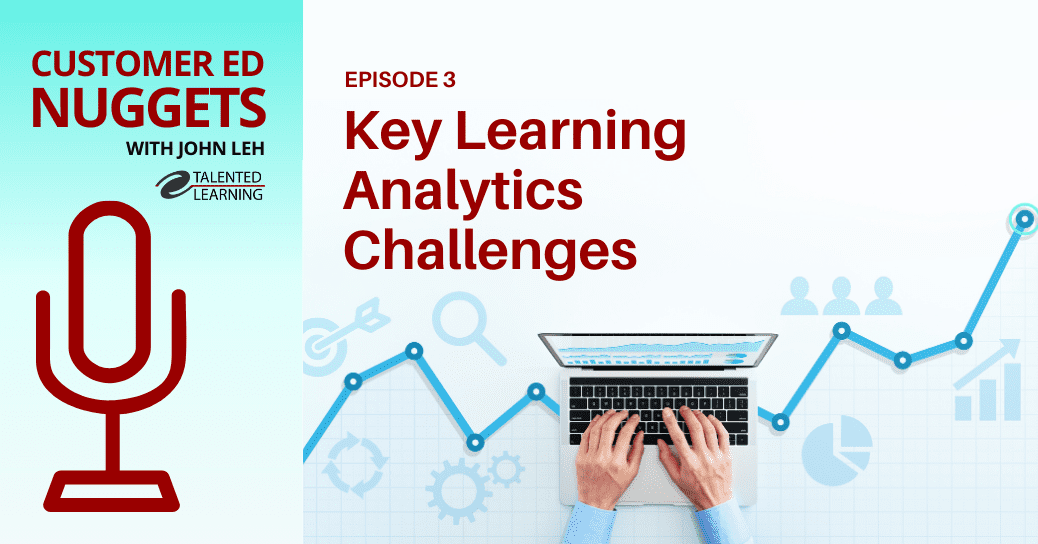








Watch Related Videos
Watch independent videos explaining learning system reporting and analytics, including dashboards, operational reporting, executive metrics, and strategies for measuring learning effectiveness.
Reporting and Analytics Case Studies
See how organizations use learning system reporting and analytics to improve visibility, measure outcomes, strengthen governance, and make more informed learning decisions.




















Learning Systems Supporting Reporting and Analytics
Browse learning systems that support reporting and analytics capabilities and compare independent vendor profiles to identify solutions for further evaluation.




Explore All Learning System Capabilities
Explore learning system capabilities to understand the functionality available across today’s learning platforms.
