
What Is Learning System Instructor Experience?
Learning system instructor experience includes every interaction instructors have while preparing, delivering, facilitating, evaluating, and improving learning. It includes class preparation, learner management, attendance, teaching materials, assessments, coaching, communication, analytics, and follow-up activities.
A strong instructor experience removes administrative work so instructors can focus on teaching rather than technology. Whether delivering classroom training, virtual sessions, cohort learning, coaching, or blended programs, instructors need quick access to learners, content, schedules, and teaching tools.
Modern instructor experiences increasingly combine live instruction with automation, analytics, AI assistance, and connected learning records to create more engaging and effective learning experiences.
Why Learning System Instructor Experience Matters
Even the best learning content depends on effective instruction. Instructors influence learner engagement, confidence, participation, knowledge transfer, and skill development through coaching, discussion, observation, and feedback.
Many instructors spend significant time managing attendance, locating materials, answering administrative questions, recording completions, and preparing follow-up communications. Modern learning systems automate many of these tasks so instructors can devote more time to learners.
Artificial intelligence is beginning to assist instructors before, during, and after live instruction through lesson preparation, learner insights, automated summaries, translation, coaching recommendations, and administrative support.
Basic Capabilities
Basic instructor experience capabilities support class preparation, learner management, communication, and instructional delivery.
- Provide instructor dashboards with upcoming classes and schedules
- Access class rosters, learner profiles, and enrollment information
- View learner accommodations, prerequisites, and special instructions before each session
- Manage attendance, participation, completions, and learner status
- Access lesson plans, facilitator guides, presentations, and teaching materials
- Communicate with learners before and after sessions
- Record assessment results, observations, coaching notes, and feedback
- Issue certificates, continuing education credits, and completions
- Review learner progress and prior learning history
- Support classroom, virtual, hybrid, and blended instruction
- Access instructor tools from desktop and mobile devices
Advanced Capabilities
Advanced instructor experience capabilities support intelligent teaching assistance, learner insights, collaborative instruction, and continuous instructional improvement.
Teaching Workspace
- Provide unified instructor dashboards for preparation, delivery, and follow-up
- Launch virtual sessions and classroom resources from one workspace
- Manage multiple sessions, cohorts, and learner groups simultaneously
- Coordinate substitute instructors and shared teaching responsibilities
- Manage classroom resources, equipment, locations, and virtual meeting logistics
- Provide quick access to learner questions, attendance, materials, and communications
- Support instructor collaboration and shared teaching resources
Learner Insights
- Display learner progress, assessments, certifications, skills, and previous activity
- Identify learners who may require additional coaching or intervention
- Predict learners at risk of disengagement or unsuccessful completion
- Highlight attendance patterns, engagement, and participation trends
- Recommend follow-up learning based on learner performance
- Identify class-wide knowledge gaps and instructional opportunities
- Compare outcomes across instructors, cohorts, and delivery methods
AI Teaching Assistance
- Generate lesson summaries, discussion questions, and teaching recommendations
- Generate quizzes, discussion activities, and follow-up exercises from existing learning content
- Summarize learner questions and classroom discussions
- Translate materials, captions, and learner conversations
- Recommend coaching opportunities based on learner performance
- Draft follow-up emails, announcements, and learner communications
- Assist with grading, observations, and instructional feedback where appropriate
- Provide real-time teaching prompts, timing suggestions, and learner engagement insights during live sessions
- Provide post-session summaries, action items, and teaching insights
Continuous Improvement
- Collect learner evaluations and instructor reflections
- Measure instructor effectiveness and learner outcomes
- Compare learner feedback with learning outcomes to identify instructional improvements
- Track instructional quality across classes, programs, and locations
- Identify opportunities to improve teaching materials and activities
- Maintain reusable lesson plans, activities, and facilitator resources
- Support peer observation, mentoring, and instructor development
Planning Considerations
Organizations often evaluate instructor-led capabilities while overlooking the instructor’s daily experience. Administrative complexity, poor navigation, and disconnected teaching tools reduce instructional quality and increase preparation time.
Buyers should distinguish between instructor management and instructor experience. Scheduling instructors and assigning classes are operational capabilities, while instructor experience focuses on helping instructors prepare, teach, coach, evaluate, and continuously improve learner outcomes.
Organizations with occasional instructors may only require basic teaching tools, while training companies, associations, and enterprise learning organizations often benefit from standardized teaching resources, quality assurance processes, instructor communities, and performance analytics.
AI can reduce preparation and administrative work, but instructors remain essential for coaching, facilitation, observation, discussion, and helping learners apply knowledge in real-world situations.
Learning System Instructor Experience Use Cases
Instructor experience supports several learning strategies, but teaching methods, learner interactions, and instructor responsibilities vary by audience.
- Employee Learning – Support onboarding, leadership development, technical instruction, workshops, coaching, and skills development.
- Customer Education – Deliver onboarding, office hours, certification preparation, product training, and customer success programs.
- Partner Learning – Conduct sales enablement, technical workshops, certification programs, and partner coaching.
- Association Learning – Support conference instructors, continuing education faculty, certification educators, volunteer presenters, and subject matter experts.
- Training Company Learning Systems – Equip instructors to deliver commercial courses, boot camps, coaching, and client training efficiently and consistently.
Related Instructor Experience Articles
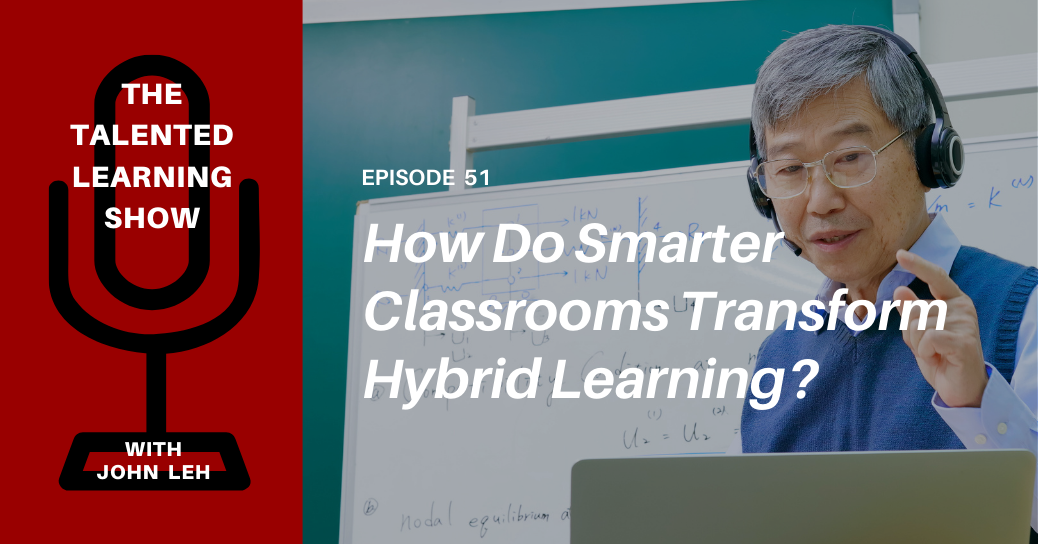
Browse independent articles covering instructor experience, facilitator tools, classroom management, virtual instruction, coaching, learner engagement, instructional analytics, and AI-assisted teaching.



Related Instructor Experience Videos
Watch independent videos explaining instructor experience, facilitator tools, AI-assisted instruction, learner engagement, classroom management, and instructional best practices.
Learning Systems with Instructor Experience
Browse learning systems that provide strong instructor experiences and compare independent vendor profiles to identify solutions for further evaluation.






Explore All Learning System Capabilities
Explore learning system capabilities to understand the functionality available across today’s learning platforms.
