

EDITOR’S NOTE: Because extended enterprise learning involves multiple disciplines and perspectives, we sometimes invite experts from learning technology companies to share their insights. Today, NetExam Co-Founder and CTO Himansu Karunadasa shares strategies for determining training partner ROI.
To expand market reach, drive sales, and enhance brand presence in today’s complex business landscape, many companies rely on a network of channel partners. Because these partners serve as an extension of your business, it’s imperative to equip them with the knowledge and skills they need to succeed. This is where channel education comes into play.
But how do you know if these educational efforts are achieving the desired results? One solution is to track return on investment (ROI) as a key performance indicator. If you’re not sure what ROI means, or how to calculate partner training ROI, read on…
Understanding Partner Training ROI
ROI is a very familiar metric among businesses large and small. It is a fundamental measure of whether an investment of any type is generating worthwhile benefits. Within the context of channel management, determining partner training ROI helps assess the effectiveness of partner enablement programs. But why should you care about measuring ROI for these efforts?
Imagine this scenario: You’ve invested significant resources to train your channel. Many partner employees are completing the training, so you believe they’re better prepared to represent your products and services in the marketplace. But how do you know?
Are partner performance metrics improving? Are participants generating more leads or closing more sales? How much does training contribute to improved outcomes? Do the net gains outweigh the costs? These are the kinds of questions ROI measurement can answer.
If you’re responsible for educating channel partners, calculating ROI can help justify your budget. It can even put you in a situation where you can request a larger investment to expand and enhance these programs over time.
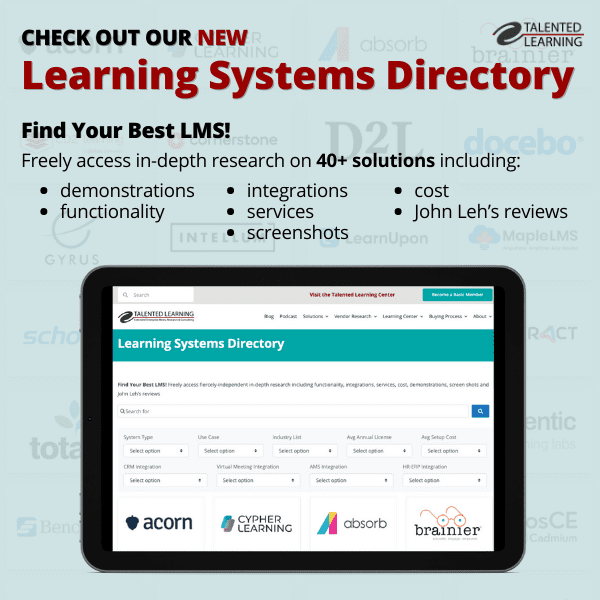
Learn more about how to support partner education. Check the NetExam profile, review, case studies and more in our Learning Systems Directory…
ROI metrics are useful for your channel, too. These companies need to assess the value of their involvement in manufacturers’ training programs — especially when they represent multiple brands. Every manufacturer encourages partners to participate in training. This means you and your competitors are constantly vying for your partners’ precious time.
Naturally, these channel players want to weigh the trade-offs and prioritize training that promises the highest return on the time their teams invest. Demonstrating superior ROI can persuade them to choose your program over others.
4 Metrics for Partner Training ROI
There are many ways to evaluate ROI. I recommend building your analysis around these core metrics:
1. Training Completion Rates
This gauges partner engagement and commitment in a course, a curriculum, or even a certification. High completion rates suggest that partners value the training, which in turn can lead to better business results.
2. Performance Improvement
Benchmark and compare key performance indicators (KPIs) before and after training. For example, keep an eye on sales revenues, lead conversion rates and customer satisfaction. When these metrics move in a positive direction after training, it demonstrates a direct correlation between channel education and improved performance.
3. Knowledge Retention
Training isn’t a one-time event — it’s about developing, applying and retaining knowledge over time. The more partners retain what they learn from a training experience, it underscores the program’s lasting impact.
4. Time to Proficiency
The sooner partners become effective at representing your brand, the better — for you, your partners and your mutual customers. Tracking how quickly channel company employees become proficient in new products or processes is an excellent way to determine your training quality and efficiency.
Measuring ROI: 3 Key Steps
Calculating partner training ROI involves a systematic 3-step process:
1. Determine Costs
Calculate the expenses associated with your training program. Be sure to include all costs for strategic planning, content creation and maintenance, technology fees and services, instructor fees, program communications and administration.
2. Quantify Benefits
Estimate the financial value of business gains connected with channel training, such as growth in sales revenue, reduced support costs, increased partner lifetime value, as well as improved partner loyalty and satisfaction.
Among these benefits, channel partner sales revenue is the most crucial to quantify. To measure this, you’ll need access to account data from your Customer Relationship Management System (CRM), as well as learning history data from your Learning Management System (LMS). Ideally, you can automate this process through a CRM-LMS integration.
The comparison should include aggregate-level data as well as partner-specific data. It’s helpful to rely upon statistical and AI algorithms when analyzing this data, so you can more accurately and efficiently determine which training courses make the biggest net impact on channel partner revenue. Based on these insights, you can encourage each partner organization to focus on courses that are most likely to lead to the strongest revenue gains.
3. ROI Formula
To calculate return on investment, use this well-known formula:
(Net Benefit – Cost) / Cost * 100
This equation results in a percentage that represents the return you gain for every dollar invested.
Find out how dozens of organizations are achieving more with learning systems that create business value. Get inspiration from success stories in our free LMS Case Study Directory…
Factors That Influence Partner Training ROI
When weighing the costs and benefits of channel education, consider these important factors:
- Training Content Quality: Relevant instructional content and engaging learning experiences help ensure that partners are equipped to perform well in their roles.
- Training Delivery Method: The training delivery method you choose (online, in-person, or a combination) directly influences partner engagement and training effectiveness.
- Post-Training Support: Ongoing support and resources ensure that partner employees can continue to apply and reinforce what they’ve learned. This optimizes training impact over time.
ROI Challenges and Improvements
Although measuring ROI is crucial, challenges can arise. For example, you’ll want to keep these common issues in mind:
- Attribution and Causation
You’ll want to avoid assuming that any change in performance is due solely to training. That’s because other factors can also influence results. Isolating the impact of training can be difficult. Best practices in statistics tell us that correlation does not imply causation. However, it can help to combine methods such as control groups and data science techniques. For example, by applying Principal Component Analysis (PCA) you can determine if training is a significant factor in performance change.
- Long-Term ROI Assessment
Because marketplace conditions are constantly changing, measuring long-term ROI is complex. Instead, it’s useful to conduct regular reassessments and adjust training strategies accordingly.
Enhancing Channel Partner Training ROI
Here are several ways to improve ROI for channel education programs:
- Feedback Loops: Establish one or more feedback mechanisms with partners to gain ongoing insights into training effectiveness and areas for improvement.
- Benchmarking and Best Practices: Benchmark your training efforts against industry best practices to identify areas for enhancement and ensure you’re staying competitive.
- Continuous Evaluation and Adaptation: Regularly assess training content and methods, adapting them to partner needs and market dynamics as they change.
Final Notes on Measuring Partner Training ROI
The goal of channel education isn’t just to train partners. It’s also a way to enable these companies to drive their business forward, which moves your business forward as well. So, measuring partner training ROI is not just a smart practice — it’s a necessity in today’s competitive business environment. It empowers you to make informed decisions, optimize your training strategies, and justify your investments.
By focusing on key metrics, calculating costs and benefits, and adapting to changing conditions, you can ensure that your channel training program delivers a strong, sustainable ROI that benefits your company and your part
Learn More
To dig deeper into partner education systems and strategies, check these resources:
- Podcast: Inside Channel Training Systems (with NetExam’s Brett Strauss and John Leh)
- Article: How to Educate Dealer Franchises Online (by Brett Strauss)
- NetExam profile, review and case studies (Talented Learning LMS Directory)
- Channel and Partner LMS Resource Center (at Talented Learning)
- NetExam website
Related resources:
- Mini Podcast: Key Customer LMS Integrations (with Brett Strauss and John Leh)
- Mini Podcast: Top GenAI LMS Features (with Himansu Karunadasa and John Leh)
- Talented Learning YouTube Channel (Video Reviews, Hot Takes and more)
- 9-Step LMS Buying Process (at Talented Learning)
Share This Post
About the Author: Himansu Karunadasa

Related Posts

What’s Your Business Case for External Training?
Every business ecosystem depends on some combination of customers, partners and others beyond employees. The more external training helps them learn about your products and services, the more profitable those relationships are likely to be.

Call for Entries: Talented Learning 2023 Awards
Calling all learning systems vendors: It's time to enter your extended enterprise solution for our 2023 awards! Participation is free, so get the details and start your entry now...

Is Your Digital Learning Strategy Falling Short? Try This
Digital learning has revolutionized training. Yet too many businesses still see disappointing engagement and completion metrics. How can you get better results?

5 Ways to Boost Online Course Engagement
Engaging people in online courses isn't easy. How can you achieve better outcomes? Try these tips from a digital learning expert

CEO Circle: What Drives Learning Tech Innovation?
Why do some LMS companies always seem ahead of the tech curve? Is their approach to innovation different? See what successful vendor CEOs and executives say...

No-Code Integrations: Connecting the Learning Systems World
Why are integration capabilities increasingly vital to LMS buyers? And what are innovative LMS vendors doing in response? Find out what you should know about no-code LMS integrations.

ATD23: Visit These Vendors on our Learning Systems Innovation Tour!
Tradeshows are back in full swing — and for training and development professionals, ATD23 is the place to be this May. Don't miss these top 10 vendors to visit on our learning systems innovation tour!

Customer and Partner Training: Best Practices for Measuring ROI
Educating customers and partners can have big business benefits, but how can you measure those results? Check out this advice from customer education expert Nick Eriksen...

How to Design a Digital Infrastructure for Training
Why is it important for training organizations to develop a strong digital infrastructure? What can you do to improve? Check this advice from a learning tech expert...




CASE STUDY DIRECTORY


FOLLOW US ON SOCIAL