
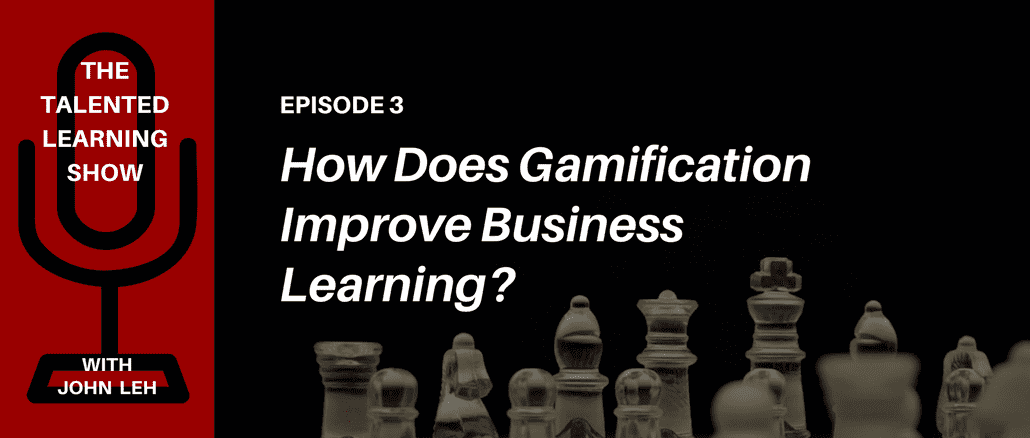
How can gamification and learning work together to improve business results? What kind of impact do simulations deliver? Tune in as Dr. Karl Kapp shares expert advice on this Talented Learning Show!

Customer education (aka customer learning or customer training) is more than just teaching people about how to use features of a product or service they’ve purchased, it’s also about helping them understand related best practices, demonstrating the product’s value-add, and communicating about why and how it helps them achieve their specific objectives.

Digital innovation is making it easier than ever to support commercial training strategies, so companies of every size and industry segment are discovering how learning programs can fuel growth and profitability.

Despite competitive pressure to keep price points lower, we expect licensing levels to continue drifting upwards, as vendors attempt to demonstrate value-add that differentiates their offerings.

Customer activity such as a course purchase, renewal, webinar participation, or whitepaper download should trigger relevant content recommendations or delivery. Therefore, these systems must be tightly integrated with CRM software, marketing automation and survey platforms, social media, ecommerce tools, accounting, finance, customer support and other systems.

Continuing education providers offer a broad spectrum of learning experiences -- from in-person classroom sessions, mentoring and on-the-job training to self-paced study in virtual and blended formats.

Nearly 12 years ago, the company launched the Salesforce AppExchange as a one-stop-shop for third-party solutions that extend and enhance the platform's core functionality.

Nearly all vendors rely on integration with one or more third-party virtual online event applications such as GoToMeeting, Adobe Connect or Cisco WebEx.

Recognizing the futility of direct competition, specialty LMS vendors learned to focus on a particular audience, industry or other factors where they now claim competence and fight for customers in that niche.

Extended enterprise LMS stakeholders were proving that learning initiatives make a legitimate business impact by comparing trained vs. untrained audiences on metrics like sales volume, customer satisfaction, retention and lifetime value.




CASE STUDY DIRECTORY


FOLLOW US ON SOCIAL