

After more than two years of intense research, 111 LMS reviews, 90 learning technology blog posts, dozens of LMS selections and 25 original webinars, we are proud and finally ready to introduce our first paid publication – The Talented Learning LMS Almanac: Corporate Edition 2016.
In the last 10 years, approximately 650 new vendors have entered the global LMS market. These new vendors, born in the cloud, have forever changed the definition of LMS solutions. In 2006, LMS vendors had very similar functional capabilities, license models, implementation timelines and marketing. Today, the range of vendor diversity in messaging, capabilities and cost is expansive and intimidating.
The Huge Cost of Qualifying LMS Vendors
If LMS buyers were troubled by the puzzle of choosing from 30 potential LMS vendors in 2006, they are flummoxed in 2016 by a challenge that is 20x more difficult. With hundreds of vendors providing countless combinations of capabilities of business, functional, technical, service and licensing options, qualifying potential vendors and selecting an LMS is arduous and a risky task. The cost and time to qualify a potential LMS on these factors can easily cost an organization $1800 or more per vendor. It is common for an LMS buyer to qualify six or a dozen vendors and still choose poorly – and not know it.
The existing resources to research the LMS market are either too focused on the top 5 talent management LMS vendors or provide generic information on many dissimilar LMS vendors. Neither arms buyers with the tactical information to efficiently find qualified partners in 2016 based on business, functional, service and technical factors.
LMS Almanac: The Ultimate No-Nonsense Guide to the Learning Management Systems Market
We created Talented Learning and the LMS Almanac to bring buyers and sellers together based on thoughtful, well-researched and fiercely independent research of the LMS marketplace.
The LMS Almanac defines corporate LMS market trends, types of corporate LMSs, business uses, feature and functions, hosting models, license models, service and support models, return on investment and provides real-life examples of all. The LMS Almanac compares, contrasts and aggregates survey data from 72 vendors against these varying traits. A two-page profile with 150 comparison points of data is provided for each of the vendors.
LMS buyers can use the LMS Almanac to educate themselves about the current state of the corporate LMS market, define their requirements and the type of LMS they need. Using the profiles, they can shortlist likely qualified vendors based on business, functional, technical, license and service criteria.
No LMS is right for everyone, but every LMS is right for someone. The LMS Almanac will help buyers and sellers make the right match!
Take a Peek at the LMS Almanac?
Want More Information about the LMS Almanac?
Interested in learning more about the LMS Almanac: Corporate Edition 2016?
Click here to see the table of contents, a list of profiled vendors, an overview of who should buy and why, excerpts you can download, pricing information and more.
Thanks for reading!
Share This Post
About the Author: John Leh

Related Posts

LMS Implementation Pricing: Take 2
One of the biggest mistakes LMS buyers make is not defining the level of help and support they will need to successfully implement and support their LMS.
Introducing the LMS Almanac: Corporate Edition 2016
The LMS Almanac defines corporate LMS market trends, types of corporate LMSs, business uses, feature and functions, hosting models, license models, service and support models, return on investment and provides real-life examples of all.

Public LMS Pricing: Proof You Can Overpay
It is foolish to pay more than you have to and get nothing in return but it is impossible to know if you are overpaying if you first don't define your LMS requirements.

Shrinking LMS Implementation Fees Drive Market Expansion
Making sure your LMS selection team is on the same page in regards to implementation/configuration needs will allow a buying organization to quickly disqualify many vendor options without the labor of investing a ton of time.

LMS License Models: What in the World is Going On?
Associations, training companies, corporate channel, customer and other extended enterprise buyers can create any number – hundreds of thousands even – of active ongoing accounts but a buying organization only pays for active usage.
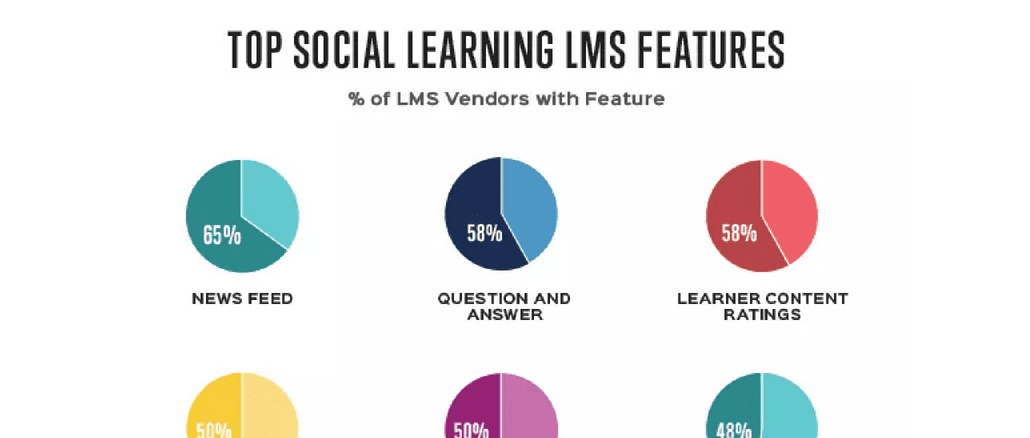
Top Social Learning LMS Features
Common logic was flawed -- assuming training professionals and subject matter experts (SMEs) would regularly visit these social "spaces" and interact, keeping content fresh and learner engagement high.

2016 LMS Market Trends, Observations and Predictions
The behemoth TM providers such as Oracle or SuccessFactors devalued the LMS when they incorporated their LMSs into broader HR software suites and took their foot off the innovation accelerator.

Talented Learning: Greatest Hits of 2015
I concluded that it will take too long to teach 600+ LMS vendors the new anti-acronym trick and the easiest path would be to create a living, non-techie dictionary that decodes common acronyms for LMS buyers.

Mobile LMS: The Facts
At Talented Learning, an independent learning tech market research and consulting firm, we recently compiled an obnoxious 85 question survey detailing over 450 points of LMS business, market and functional data. We collected statistically significant [...]





CASE STUDY DIRECTORY


FOLLOW US ON SOCIAL