

EDITOR’S NOTE: Because extended enterprise learning involves multiple disciplines and perspectives, we sometimes invite experts from learning technology companies to share their insights. Today, Edan Kertis, Co-Founder and CEO of myQuest, shares advice on how to drive digital learning engagement and completions.
No question about it. Over the past few decades, digital learning has revolutionized business training and development. In fact, a remarkable 90% of organizations currently offer some form of digital learning, according to LinkedIn Learning research. However, some digital learning strategies are more effective than others.
As many organizations have discovered, digital learning can yield significant benefits — broader reach, improved cost-effectiveness, as well as more flexibility to adapt as business needs change. Yet too many organizations still struggle to achieve the engagement levels, completion rates, and behavioral changes they want to achieve.
What are they missing? And what sets successful programs apart? First, let’s consider common issues that keep digital learning programs from achieving their full potential.
Find out how real-world companies are achieving more with learning systems that create business value. Get inspiration from dozens of success stories in our free LMS Case Study Directory…
The Limitations of Traditional Online Learning
Despite the advantages of digital learning, multiple factors can jeopardize the learning process and its impact. For instance, traditional online learning programs often face these three challenges:
Isolation
A lack of human interaction can lead to a sense of isolation among learners. Without opportunities to engage with peers and instructors throughout the learning process, participants are likely to feel disconnected from the kind of support, feedback, and encouragement needed for strong engagement, behavioral change, and reinforcement.
Passive Learning Experience
Online courses often deliver concepts and theoretical information through videos and written materials. However, this passive learning content leaves students without hands-on experience or opportunities to apply what they learn in real-life scenarios. Merely watching videos or reading text may not be sufficient for effective knowledge transfer and skill development.
Low Engagement and Completion Rates
When online learning content is static and uninspired, low engagement and completion rates follow. As a result, students often fail to achieve their learning goals. For instance, studies estimate that about 22% of learning participants do not finish the courses they start within any given year. This level of abandonment can seriously impact learning initiatives and related business outcomes.
Overcoming Online Learning Challenges
One way to avoid the difficulties associated with traditional online courses is an innovative approach we call the Action – Feedback – Trigger learning model (AFT). This framework is designed to enhance engagement, completion rates, and knowledge retention. Here’s how the model’s three core elements work together to transform the learning experience:
1. Action – Mobilize Learning for Practical Application
Taking action is the first step in a more effective learning process. Rather than requiring learners to passively consume static information, you’ll want to offer content that encourages people to engage and apply what they learn in practical contexts. Start by unpacking your learning content and breaking it into a series of relevant, meaningful micro-actions. This makes it easier for people to grasp and internalize knowledge and skills as they move through the learning journey. As a result, it supports behavioral change and the development of new habits.
2. Feedback – Timely Evaluation for Personalized Reinforcement
Providing prompt, constructive feedback is central to the AFT approach. Individualized feedback plays a vital role in reinforcing learning and building confidence. When learners receive immediate feedback after asking a question or demonstrating their understanding, they feel supported and motivated to continue their learning journey. Ultimately, effective feedback acts as a catalyst, promoting engagement and enhancing knowledge retention.
3. Trigger – Continuous Guidance for Growth
After providing feedback, you’ll want to spark further action and sustain learner motivation throughout the entire learning process. Triggers such as reminders, messages and notifications can encourage learners to stay engaged and move forward on their path. With timely, thoughtful prompts you can provide a more dynamic learning experience that fosters a sense of ongoing connection and progress.
Want a better way to manage the business of learning? Find vendor profiles, reviews, case studies and more in our free Learning Systems Directory…
How an Advanced LMS Can Bring the AFT Model to Life
To optimize learning outcomes, you’ll want to use a modern Learning Management System (LMS) that can work hand-in-hand with the AFT model. A learning platform designed for this purpose delivers optimal results throughout the process:
1. Encouraging Active Learning
An LMS that supports active learning helps people go beyond simply completing traditional “lessons” by transforming content into practical action items. Each item is a bite-sized activity learners must complete before they advance. By facilitating the in-context application of these practical actions, an advanced LMS can help people experience a deeper level of engagement that boosts knowledge retention. As a result, people develop desired skills and reinforce their understanding of the subject matter.
2. Enabling Personalized Feedback
When an LMS supports personalized coaching, it can empower instructors to connect with learners and support them when they need it most throughout their learning journey. By making it possible to address individual challenges and strengths, these personalized interactions drive motivation and foster growth.
In addition, an LMS that supports learning communities can serve as a platform for learning cohort members to connect and share feedback with one another. So the ideal LMS will support personalized coaching as well as peer-to-peer interactions.
3. Delivering Triggers for Continuous Engagement
The ability to send timely reminders, messages, and notifications is crucial for keeping learners aware, engaged and motivated. Whatever LMS you use should be able to set up and send timely, personalized notices and messages based on specific user behavior, activities and interactions.
Pushing Digital Learning Boundaries with the AFT Approach
Digital learning continues to evolve. Along the way, it is reshaping education and training, opening more opportunities to learners around the world. By adopting the AFT learning model and leveraging an advanced LMS, organizations and training professionals are overcoming the limitations of traditional online learning. As a result, learners are more satisfied with the way they’re developing knowledge and skills online. At the same time, organizations are achieving greater success from their investment in learning initiatives.
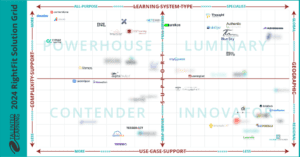
NEW FOR 2024
Which Learning Systems Are Your Best Fit?
Use our FREE RightFit Grid tool to build a shortlist based on our independent research. 50 leading learning systems mapped to common buyer requirements!
LEARN MORE AND GET YOUR FREE COPY…
Share This Post
About the Author: Edan Kertis

Related Posts

Top Customer Education Tips From Industry Leaders
If you listen to The Talented Learning Show podcast, you know I close each episode with a similar question for every learning practitioner and technology innovator I interview...

Customer Education Systems: Top Integrations and Innovations
Customer education systems are, without a doubt, the fastest-growing segment of today's learning systems market. Find out why third-party integrations are adding value and which ones are most critical...

How Can Market Segmentation Drive Business Growth?
Every business strives to grow, but in a competitive environment, growing your business takes insight and creativity. One of the smartest ways to drive growth is through customer and market segmentation.

Training Content Fundamentals for Extended Enterprise Success
You create and design extended enterprise training in order to teach customers, partners, and contractors how to succeed with your products and services.

Meet The Talented Learning Center: What’s In It For You?
The Talented Learning Center is the world's only educational and research community centered on the learning systems marketplace.

Supply Chain Training: Mapping Your Ecosystem
Supply chain training isn't for the faint of heart; these partner networks are some of the most advanced ecosystems in the extended enterprise learning world.

Customer Success: Where Does Training Fit In?
Customer success is rapidly becoming a standard practice for businesses everywhere - especially for companies that want to gain a competitive advantage in volatile markets like software and technology.

Learning Strategy: Great Advice from Industry Leaders
These diverse disciplines must work in concert to ensure that your learning program is woven into your organization's broader ecosystem and workflows. It's not easy, but a strategic approach helps.

Learning Systems Agility, Up Close and Up In the Air
Learning systems agility isn't just about technology; it's about flexibility and speed across the board – including your business model, content strategy and operational workflows, as well as your learning ecosystem.





CASE STUDY DIRECTORY


FOLLOW US ON SOCIAL