

EDITOR’S NOTE: Because extended enterprise learning involves multiple disciplines, we sometimes ask other experts to share their insights with our readers. Today we feature advice from Daniel Newman, Principal Analyst at Futurum Research and CEO of Broadsuite Media Group. Daniel is an author, speaker, blogger and educator who works with leading technology brands to help businesses around the world embrace the value of their business data and the benefits of digital transformation.
Business Data: Blessing and Curse
Data. Data. Data. Every organization collects data in one form or another. Most of us are already awash in the stuff. Yet we continue to generate more data at an even faster pace. In fact, research estimates that by 2020, the average amount of data produced each second will reach the equivalent of 1.7 MB for every person on the planet. Stunning. For business, data is the lifeblood of digital transformation. But too much data can actually bog your company down – leaving it vulnerable to security breaches and hindering your ability to make quick, informed decisions. That’s why every company that collects data today must also delete unnecessary data when the time is right.
Move Over Data Hoarders
Have you ever watched one of those reality TV shows about hoarders? From the comfort of our couches, we can clearly see it makes no sense for people to accumulate mounds of stuff that adds little value or meaning to their lives.
Clinging to every little thing creates houses that are disorganized, dysfunctional and sometimes even dangerous. The same is true with organizations that hold onto business data indefinitely.
Why a Data Purge Strategy Makes Sense
There are multiple reasons why your business should create a data purge strategy. Here are three primary benefits to expect:
1) You’ll Save Money on Storage Costs
As affordable and efficient as storing data on the cloud may seem, it certainly isn’t free. Indeed, your cloud provider may even charge early deletion fees for removing business data before a particular time interval has passed.
Long story short: storage vendors are running a business, just like you do. And their business model is to maximize the revenues they earn from companies who don’t yet understand the importance of data purge strategy!
Remember this: The less data you’re storing, the less you’re paying them for storage. So, take time to make sure that every piece of data is worth its weight in storage space – and revisit that pool of data regularly to keep it under control.
2) It Will Protect Your Company
The more business data you manage, the more difficult it is to keep your data safe. Storing unnecessary data only leaves you open to security threats that could be avoided if you take the time to trim the load.
Remember this: In a data breach, money isn’t the only thing your company loses. Consumer confidence is also jeopardized, which could cost you far more in the long-run than lost time and productivity. Why risk that by storing information you don’t even need?
3) You’ll Improve Data-Driven Decisions
You know the phrase, “Too many cooks in the kitchen spoil the broth”? Your business data can suffer from a similar problem. When coordinating too much input from too many places over time, it can become difficult to extract meaningful information and apply it strategically.
Before you know it, your data pool becomes a mess of old information that isn’t relevant to your current environment. It’s useless! But by carefully paring down underlying data, you’ll improve the timeliness, accuracy and value of data-driven business decisions.
Data Purge Strategy vs. Policy
Thus far, we’ve focused on creating a data purge strategy. However, I also want to touch on the importance of a data purge policy. After all, purging shouldn’t be performed only once. It should happen periodically on an ongoing basis, to keep your business data clean and safe. With a standards-based policy, you can make the purge process easier to manage consistently in the future.
Here’s one clear-and-present reason why many organizations are focusing on a data purge policy. You may already comply with the European Union’s General Data Protection Regulation (GDPR), which stipulates, in part, that any customer can ask you at any time to delete all of their data completely from your systems.
With a purge strategy in place, you can better understand how to completely remove all traces of a user’s data from your servers, so you’ll stay in compliance with GDPR rules. (By the way – if you don’t follow the GDPR guidelines, it’s probably a smart idea to start, so you can avoid costly noncompliance penalties.)
Getting Started
Below are a few ideas to help you develop a data purge policy:
1) Determine How Long Each Piece of Data Holds Value
Hint: The answer is most likely not “forever.” Compliance regulations and other industry standards typically specify storage timeframes for various pieces of data. But don’t stop there. For other data elements, be sure to define lifecycle requirements that make sense for your business.
Keep in mind: All storage timeframes don’t need to be the same. The level of security protection doesn’t need to be the same, either.
2) Consider Creating a Central Repository
One of the worst sources of data sprawl is the inclination for everyone in a company to store their own versions of a document on the organization’s network, rather than accessing a centralized version of the file.
To avoid this issue, create a central repository of documents accessed most often. Then clear the one-off variations of those documents from the network, altogether.
3) Narrow the Amount of Data You Collect
Start at the source. The easiest way to purge excessive business data from storage is to limit the amount of data your organization collects.
For example, rather than capturing every tiny piece of information you can from customers, think strategically about what matters. What do you really need to know to serve them better? Then closely evaluate what remains. Is it just clutter?
4) Automate the Process
It’s probably unrealistic to rely on yourself or your team to maintain your purge process. Consider using AI-driven automation to keep the policy and related procedures in place, ensuring that you perform regular purges based on predefined guidelines and timelines.
Closing Notes
Obviously, data collection is important in digital transformation. But removing unnecessary data is just as important – even though it receives far too little attention in business today.
With smart data governance on your side, you can save money, improve decision-making and reduce business risk. It starts with an effective data purge strategy and policy.
EDITOR’S NOTE: This post has been adapted, with permission, from a post originally published on the Converge Technology + Business blog.
Need Proven LMS Selection Guidance?
Looking for a learning platform that truly fits your organization’s needs? We’re here to help! Submit the form below to schedule a free preliminary consultation at your convenience.
Share This Post
About the Author: Daniel Newman

Related Posts
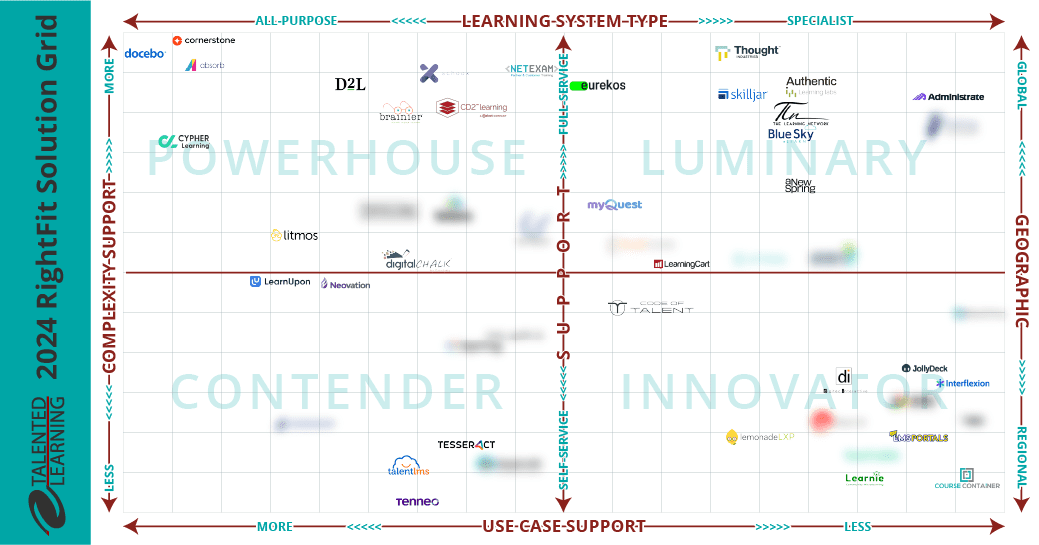
Which LMS is Best for You? New Shortlisting Tool for 2024
How can you find the best learning system for your business? Our LMS shortlisting tool can help. Learn about the 2024 RightFit Solution Grid. Free, reliable guidance based on our independent research

How to Build a Learning-Based Business: Executive Q&A Notes
Building and selling online courses may seem easy, but building a profitable learning-based business is far more complex. Find out what successful leaders say about running this kind of business

The Rewards of Community Building: Customer Ed Nugget 14
What role does community play in your customer relationships? Find out why community building is such a powerful force in customer education on this Customer Ed Nuggets episode

Benefits of Training Content Syndication: Customer Ed Nugget 13
If you educate customers online, why should you consider content syndication? Discover 10 compelling business benefits in this Customer Ed Nuggets episode

Top Marketing Skills to Master: Customer Ed Nugget 12
Successful customer education programs depend on professionals with expertise in multiple disciplines. Which marketing skills lead to the best results?

How to Measure and Improve Partner Training ROI
An educated channel is a successful channel. But how do you know if your educational programs are effective? Learn from an expert how to evaluate partner training ROI
Mistakes in Ongoing Customer Training: Customer Ed Nugget 11
Customer education doesn't stop with onboarding. It pays to invest in ongoing customer training. Learn which mistakes to avoid in this Customer Ed Nuggets episode

2024 Learning Systems Predictions: Top 15 LMS Trends
Which learning solutions trends will define the year ahead? Check these top 15 learning systems predictions from industry analyst and consultant, John Leh

9 Reasons to Replace Your LMS: Customer Ed Nugget 10
Want to improve the impact of your customer education programs? Find out reasons why it may be time to invest in a new learning system. Learn mor on this Customer Ed Nuggets podcast





CASE STUDY DIRECTORY


FOLLOW US ON SOCIAL