

Associations are ideal for social learning because they're designed to foster networking and interaction among professionals with common interests.

By thoughtfully implementing modern learning tools, content and delivery methods, you can provide high-value continuing education that complements your broader mission and purpose.
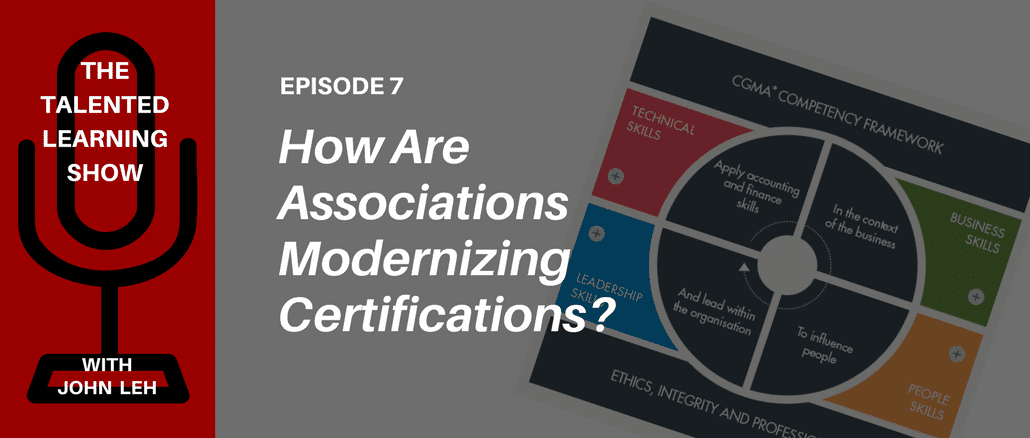
Modern certification programs need to better serve young professionals. How can associations leverage this content to better to help both new and existing members update their knowledge and skills? Find out on this Talented Learning Show!
How can a global restaurant franchise ensure that brand standards are applied consistently in every location? And how does training adoption help ensure a consistent customer experience? Listen to The Talented Learning Show!

Franchise learning is not an event, it's a process. But for large, global organizations like Dairy Queen, that process is highly complex. How does a modern learning system help make it work? Listen to The Talented Learning Show!

With a franchise-friendly LMS, you can capture, track and analyze performance-related data from the moment a new franchisee joins the brand family.

For franchises, employee education is a top priority. But how do learning systems add value? What do real-world cases teach us about franchise learning ROI? Listen to this Talented Learning Show!

One of the best ways franchises can leverage a franchisee's investment is by relying on a specialized learning management system (LMS) to deliver training at scale.

The sooner your customers find value from using your product or service, the longer they're likely to stay, and the more likely they are to continuing investing in your brand.
How can gamification and learning work together to improve business results? What kind of impact do simulations deliver? Tune in as Dr. Karl Kapp shares expert advice on this Talented Learning Show!




CASE STUDY DIRECTORY


FOLLOW US ON SOCIAL