

Managing professional education is difficult, especially when it involves skilled people in heavily regulated jobs. How do specialized solutions help?

CEU training providers need a learning platform that helps manage all facets of this complex business, and modern LMS providers are beginning to respond with flexible, sophisticated business solutions.

The LMS selection process isn't always easy or straightforward. To understand what works, check this slice of life from John Leh's life as LMS buying consultant
The implementation team includes subject matter experts, project managers, learning technologists, project consultants, trainers, account executives, executive sponsors and data integration/migration specialists.

Individuals are ultimately responsible to know their own ongoing continuing education requirements, take the required training, maintain ongoing proof of completion and submit to appropriate accreditation body to maintain their license or certification.

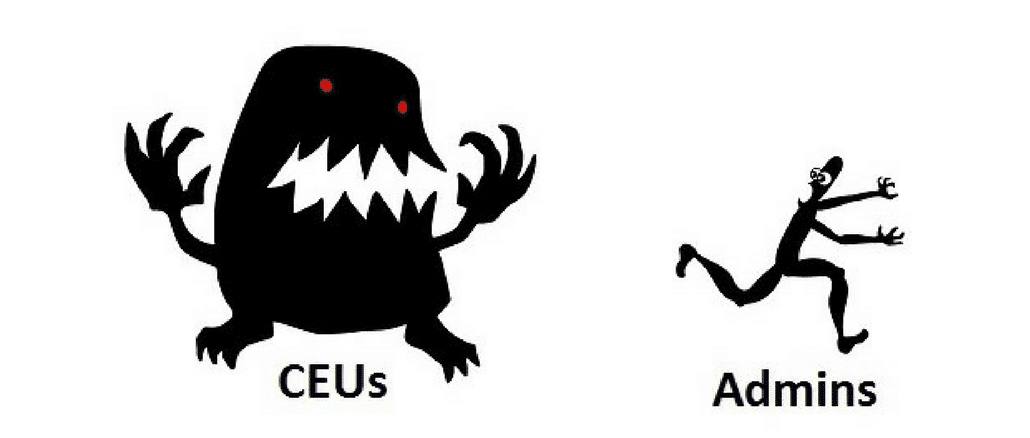
With each incremental accrediting jurisdiction the problem compounds and becomes so complicated that many organizations can’t use a commercially available LMS to manage CEUs but rather are forced to cobble together spreadsheets, home-grown custom systems, specialized commercial CE trackers and manual processes to bridge the gap, connect the data and ensure compliance.
In the accounting industry, most accounting firms set up a National Association of State Boards of Accountancy (NASBA) license and grant continuing professional education (CPE) credit based on the NASBA standards, rather than maintain the complex CPE rules of each state





CASE STUDY DIRECTORY


FOLLOW US ON SOCIAL